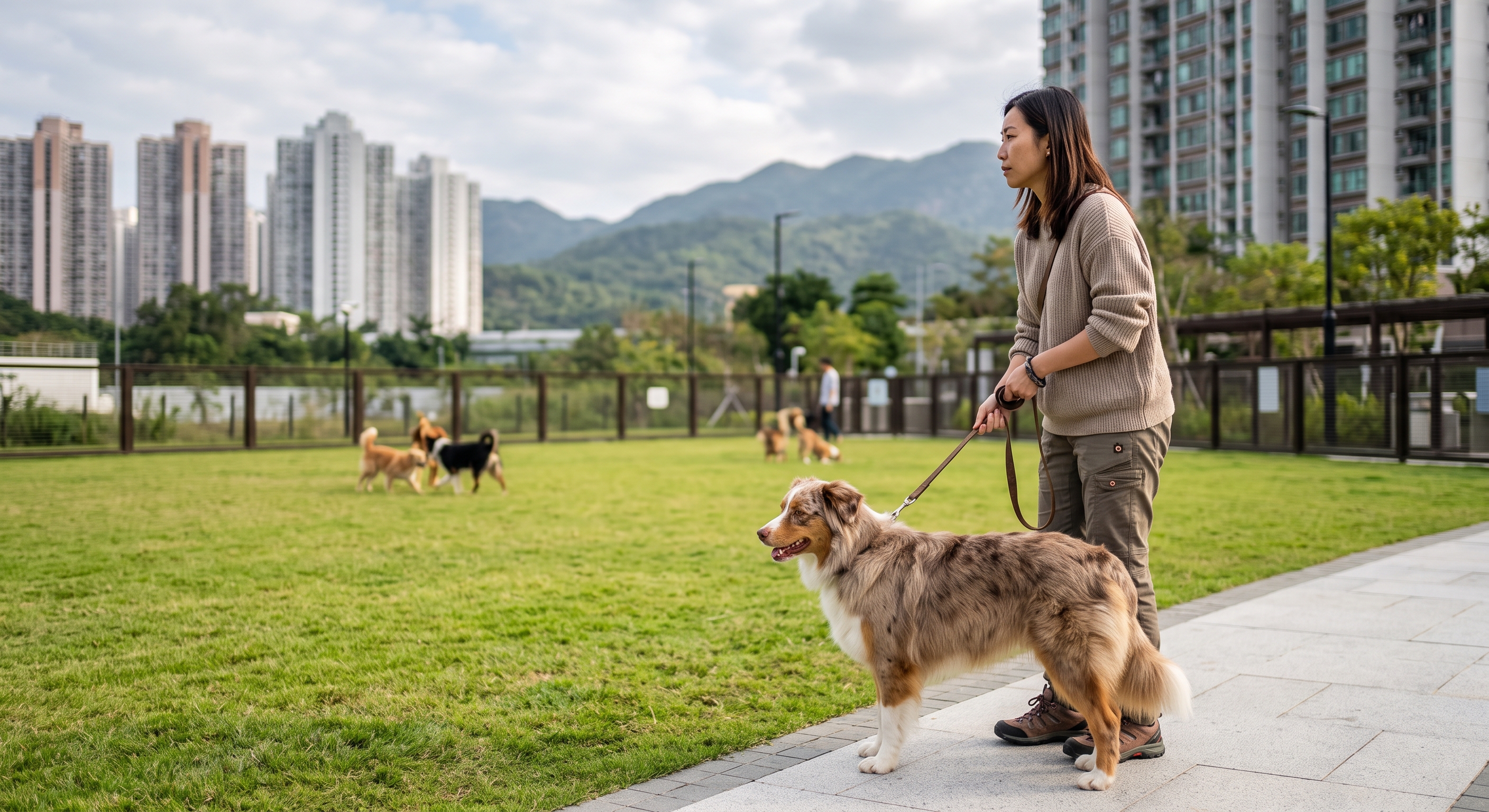
Understanding and Stopping Dog Fights: Dog Park Safety & De-Escalation Guide
"Visiting a pet park for socialization and exercise should be an enjoyable routine, but unexpected dog fights can unfold in seconds."
In Hong Kong’s compact, highly populated dog parks, dogs with varying temperaments and social backgrounds interact in close quarters. If owners fail to spot rising tension early, friendly play can quickly escalate into a dangerous conflict.
Recognizing early canine body language, understanding common park triggers, and knowing how to safely break up a fight are essential safety skills for every responsible dog parent.
1. Distinguishing Play from Aggressive Warning Signs
Many pet owners struggle to differentiate between rough play and genuine aggression. Reading subtle body language allows you to intervene seconds before a fight breaks out:
Characteristics of Healthy Play: Loose, bouncy body movements; frequent "play bows" (front legs down, rear in the air); and natural role reversals (alternating between chasing and being chased).
Warning Signs of Impending Aggression: Sudden body stiffness; intense, unblinking focus (hard stare); ears pinned tightly back or thrust aggressively forward; raised hackles along the spine; low growling or bared teeth; and a complete pause in movement (freezing).
2. High-Risk Triggers in Urban Dog Parks
Resource Guarding: High-value toys, balls, and food treats are primary catalysts for dog fights. Avoid bringing toys or dispensing treats inside crowded public dog parks.
On-Leash Frustration: When one dog is restrained on a leash while another approaches off-leash, the leashed dog often experiences extreme anxiety due to a restricted "flight" option, leading to defensive aggression.
Spatial Crowding: Hong Kong dog parks often feature tight choke points near entry gates or water stations. High canine density in restricted spaces naturally elevates territorial tension.
3. Safely Breaking Up a Dog Fight: The Wheelbarrow Method
If a fight breaks out, never grab a dog by the collar or place your hands near their mouths. Panicked dogs in fight mode will instinctively turn and bite whatever is close, causing severe injury to owners.
Step 1: Create a Sudden Distraction or Barrier Use loud noises (clapping, shouting), open an umbrella between them, or insert a large board or barrier to break their visual focus. If water is accessible, splashing water directly on their faces often breaks their grip momentarily.
Step 2: Execute the "Wheelbarrow Method" Recognized by veterinarians and animal behaviorists as the safest two-person de-escalation technique:
Two handlers must act simultaneously, approaching each dog from behind.
Firmly grab the dog's rear legs at the thighs (not the ankles) and lift their hindquarters off the ground, like pushing a wheelbarrow.
Losing rear traction and balance forces the dogs to release their grip.
Both handlers must walk backward immediately while curving in a circle, preventing the dogs from turning back to re-engage.
Once separated, move the dogs out of each other's line of sight immediately.
4. Post-Conflict Assessment & Care
After de-escalation, relocate your dog to a quiet space to calm down. Carefully part their fur to inspect for hidden puncture wounds, tears, or subcutaneous bruising, as bite marks under thick coats are easy to miss. If punctures or signs of shock are present, seek immediate veterinary evaluation.
Prioritizing Vigilance and Safety
At the dog park, your full attention should remain on your pet rather than your phone. By monitoring body language and managing spatial boundaries proactively, you can ensure a safe, enriching outdoor environment for your companion.

Philip Chau
Hi, I’m Philip Chau, one of the founders of Furrenz Pet Sitters, coordinating the company’s marketing.