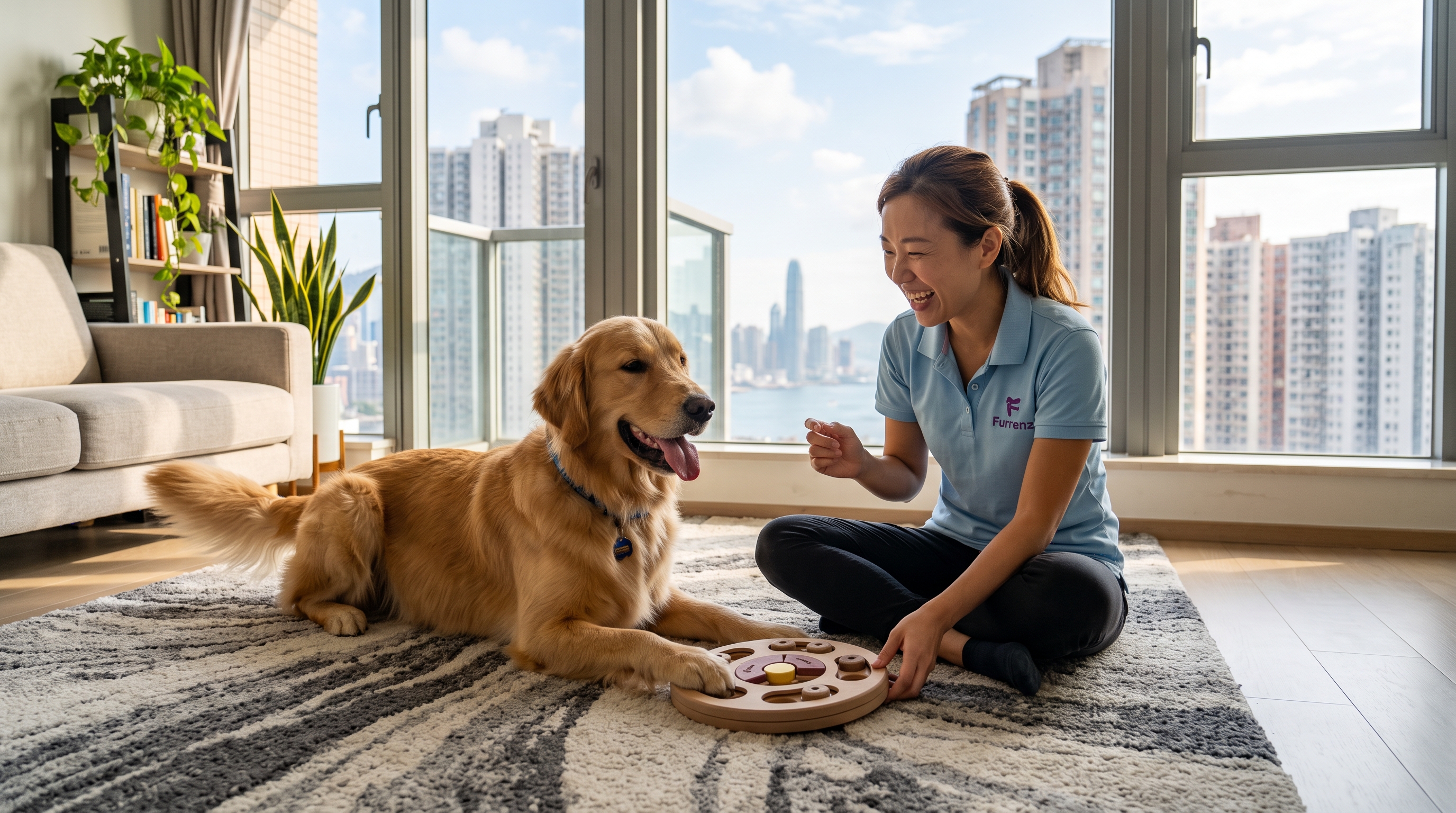
Managing Dog Separation Anxiety in Hong Kong Apartments: Behavior Tips & Dog Walking Guide
"Does your dog start barking incessantly the moment you close the front door, leaving you worried about complaints from building management?"
In Hong Kong’s high-density apartment culture, long working hours combined with compact living spaces make Dog Separation Anxiety one of the most common challenges for pet parents.
When trapped in a confined space for 8 to 10 hours without mental stimulation, a dog’s stress quickly manifests as excessive barking, pacing, door scratching, or destructive chewing. Punishing these behaviors only escalates anxiety. Instead, managing separation anxiety requires structure, behavioral counter-conditioning, and proper exercise.
Here is an expert guide on how to help your dog stay calm in a Hong Kong apartment.
1. Recognizing Signs of True Separation Anxiety
Destructive behavior is rarely out of spite—it is a stress response triggered by isolation:
Persistent Barking & Howling: Starts within 5 to 15 minutes after the owner departs.
Targeted Destruction: Chewing door frames, shoe racks, or sofa corners near entryways.
Physiological Distress: Excessive drooling, heavy panting, or indoor accidents despite being house-trained.
2. 4 At-Home Behavior Modification Tips
Desensitize Departure Cues: Dogs memorize your exit routine—picking up keys, putting on shoes, grabbing a handbag. Practice these cues randomly throughout the day without actually leaving (e.g., pick up keys and sit on the couch) to disarm their trigger responses.
Morning Physical Stimulation: A structured 20–30 minute morning walk before work burns off excess cortisol and energy, making your dog far more likely to rest after you leave.
Provide High-Value Enrichment Toys: Right before walking out, give your dog a stuffed KONG or a puzzle mat filled with freeze-dried treats. Licking and sniffing release endorphins that lower stress levels.
Keep Departures and Arrivals Low-Key: Avoid emotional goodbyes or overly excited greetings upon returning home. A calm interaction signals to your dog that departures and arrivals are normal, non-eventful everyday occurrences.
3. How In-Home Dog Walking Breaks the Anxiety Cycle
For Hong Kong professionals away for long hours, expecting a dog to stay perfectly quiet all day is unrealistic. In-home dog walking and sitting services provide an essential bridge:
Breaking Long Isolation Windows: A mid-day visit (30 to 60 minutes) breaks up the long day, allowing your dog to stretch, relieve their bladder, and receive human interaction.
Outdoor Mental Stimulation: A dedicated walk in their neighborhood provides crucial sensory stimulation ("sniffari"), dramatically reducing afternoon frustration and boredom barking.
Tailored 1-on-1 Attention: Professional sitters with Pet First Aid Certification monitor stress levels, adhere to your training routine, and provide a familiar, comforting presence.
Building Confidence Through Consistency
Overcoming separation anxiety takes time, patience, and the right support network. Combining behavioral exercise with reliable in-home dog walking ensures your pet feels safe and secure in your Hong Kong home.
Backed by 23+ years of global standards and 20+ certified sitters across Hong Kong, Furrenz Pet Care offers customized dog walking routi
Philip Chau
Hi, I’m Philip Chau, one of the founders of Furrenz Pet Sitters, coordinating the company’s marketing.